
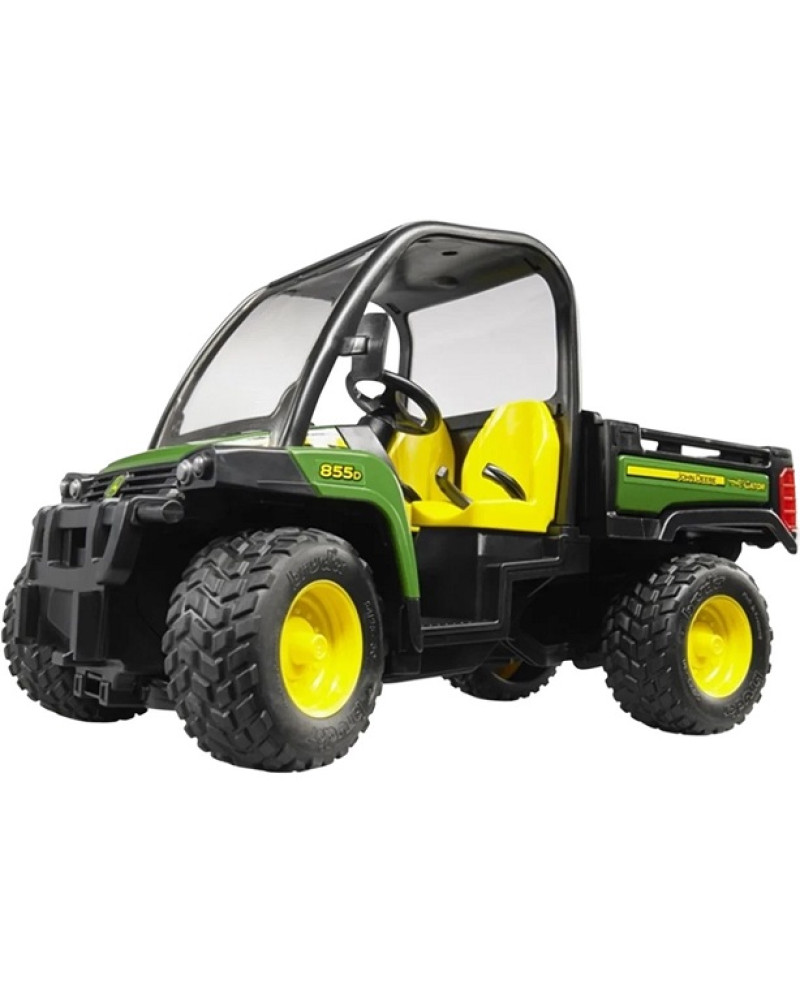
$49.99
Models
XUV855DDocument Type
Operators ManualRegion
Export EditionLanguage
EnglishType of Equipment
Gator Utility VehicleIllustrated factory Operators Manual for John Deere Gator Utility Vehicles Models XUV855D.
This manual will assist you in operating, and maintaining for your gator utility vehicle or gator utility vehicle.
You can use a Windows, Mac, or Android device to view this manual. You only need to have a PDF reader installed.
Covered Models (Export Edition):
XUV855D (SN: 080001-)
Format: PDF, 100 pages
Language: English
Publication Date: 01 Jan 2016
Table of Contents:
Introduction
Thank You for Purchasing a John Deere Product
Using Your Operator’s Manual
Machine Use
Special Messages
Attachments for Your Machine
Product Identification
Record Identification Numbers
Safety Labels
Pictorial Safety Label Location
Pictorial Safety Signs
Read Operator’s Manual
Hot Surfaces
Prevent Equipment Fires
Driver and Passenger Safety
Avoid Injury From Explosion
Riders Can Fall Off and Be Killed
Rollover or Falling Off May Cause Death
Avoid Injury From Tipping
Avoid Injury From Battery Gases and Acid
Help Prevent Injury When Dumping Loads
Park Machine Safely
Roll-Over Protective Structure Safety and Certification Label
Safety
Supervisor Safety Responsibilities
Operator Training Required
Operating Safely
Parking Safely
Protect Children/Small Adults and Prevent Accidents
Avoid Excessive Speeds
Avoid Tipping
Use Seat Belt Properly
Vibration
Keep Protective Structure Installed Properly
Keep Riders Off Vehicle
Before Driving
Transport Loads Safely
Using Front Attachments
Towing Loads Safely With Utility Vehicle
Driving On Rough Terrain
Climbing Or Descending A Hill or Slope
Driving Across Slopes
Riding Through Water
Checking Wheel Hardware
Wear Appropriate Clothing
Practice Safe Maintenance
Prevent Fires
Do Not Modify Machine
Tire Safety
Handling Fuel Safely
Handling Waste Product and Chemicals
Machine Cleanout
Prevent Fires
Cleanout Areas
Assembly
Parking Safely
Charge and Connect Battery
Testing the Safety Start System
Checking Engine Oil Level
Checking Coolant Level
Checking Transaxle Oil Level
Check Tire Pressure
Check All Lights
Check Wheel Bolt Torque
Burnish Brakes
Operating Controls
Operator Station Controls
Operating
Daily Operating Checklist
Avoid Damage to Plastic and Painted Surfaces
Using Doors or Nets
Using Hand Holds
Using Bench Seat
Using Bucket Seats
Using Seat Belt
Testing Safety Systems
Testing the Safety Start System
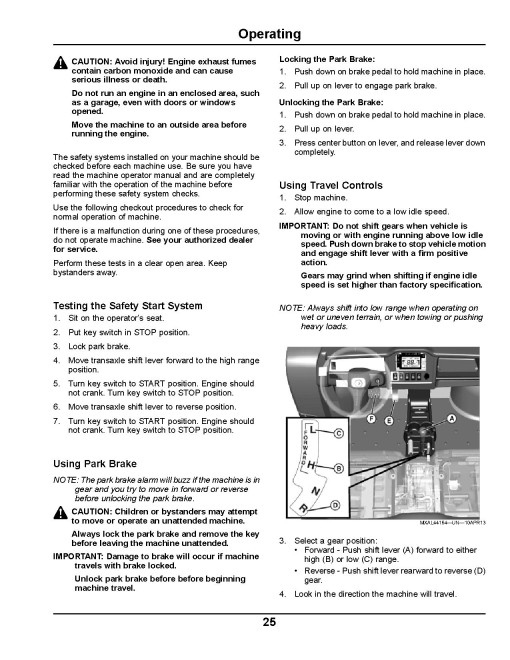
Using Park Brake
Using Travel Controls
Using Ignition Key Switch
Using Headlights
Using Instrument Display
Using Instrument Display Arrow Keys
Using Accessory Outlet
Using Turn Signal Switch (If Equipped)
Using Hazard Lights (If Equipped)
Using Front Blade Switch (If Equipped)
Using Storage Areas
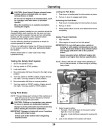
Starting the Engine
Stopping Engine
Emergency Stopping
Using Electric Power Assist Steering (EPAS)
Using Traction Assist
Using Four Wheel Drive
Using the Cargo Box
Determining Vehicle Load Capacity
Loading the Cargo Box
Emptying Cargo Box
Towing Loads
Using Correct Tires and Inflation
Tire Chains
Transporting Machine
Optional Attachments & Kits
Attachments and Kits
Cab Classification According to EN15695-1 (for Application of Crop Protection Chemicals and Liquid Fertilizer)
Using Quick Clamps
Light Kits
Backup Alarm
Cab Heater
Occupant Protective Structure (OPS) Rear Screen
Front Receiver Hitch
Using a Trailer
Replacement Parts
Service Literature
Parts
Part Numbers
Service Intervals
Servicing Your Machine
Break In
Every 50 Hours or Annually
Every 200 Hours or Annually (whichever comes first)
Every 400 Hours or 24 Months (whichever comes first)
Every 800 Hours or 24 Months (whichever comes first)
Every 1000 Hours
Every 1000 Hours or 24 Months (whichever comes first)
Service Lubrication
Grease
Lubricating Drive Line
Service Engine
Avoid Fumes
Engine Oil
Checking Engine Oil Level
Changing Engine Oil and Filter
Cleaning Dust Unloading Valve
Checking Air Restriction Indicator
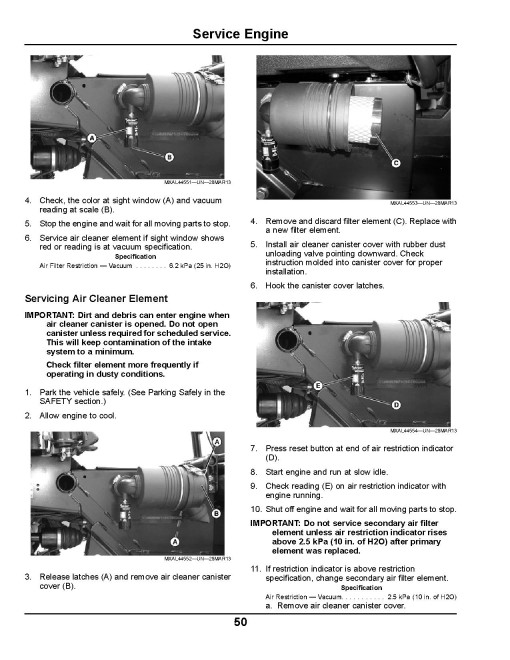
Servicing Air Cleaner Element
Checking Air Intake, Hoses and Clamps
Servicing Sediment Bowl
Bleeding Fuel System
Servicing Fuel Injection Pump
Servicing Fuel Injection Nozzles
Cleaning Engine Compartment
Cleaning Radiator Cooling Fins
Checking Coolant Level
Service Cooling System Safely
Servicing Cooling System
Recommended Engine Coolant
Checking Radiator Hoses and Clamps
Inspecting Alternator Belt
Checking Spark Arrestor
Service Transmission
Transaxle Oil
4WD Front Differential Oil
Checking 4WD Front Differential Oil Level
Changing 4WD Front Differential Oil
Checking Transaxle Oil Level
Changing Transaxle Oil
Inspecting Driveline CV Boots
Servicing Drive Belt
Checking Driven Clutch Rollers
Cleaning Primary Drive Clutch and Enclosure
Service Steering & Brakes
Brake Fluid
Checking Brake Fluid Level
Checking Brake Pads
Checking Park Brake Fluid
Checking Brake Lines
Service Electrical
Service the Battery Safely
Checking the Battery (Sealed Batteries)
Removing and Installing Battery
Cleaning Battery and Terminals
Using Booster Battery
Replacing Headlight Bulbs
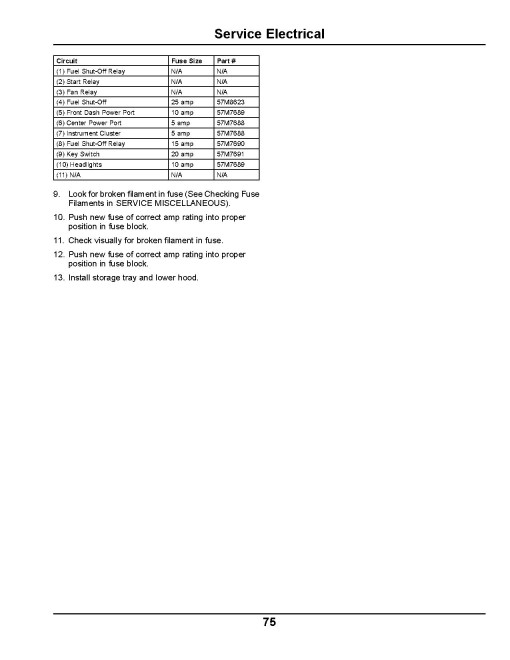
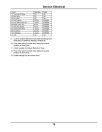
Checking and Replacing Fuses
Service Miscellaneous
Using Proper Fuel (Diesel)
Filling Fuel Tank
Removing and Installing Wheel Assembly
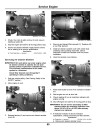
Removing and Installing Seats
Lifting Machine
Opening and Closing Hood
Removing and Installing Storage Tray
Inspecting Seat Belt
Cleaning and Repairing Cargo Box
Checking Fuse Filaments
Replacing Cargo Box Tailgate Bushings
Checking and Adjusting Toe-In
Adjusting Suspension (Standard Shocks)
Adjusting Suspension (High Performance Shocks)
Cleaning Vehicle Surfaces
Cleaning and Repairing Metal Surfaces
Cleaning Plastic Hood and Body Panel Surfaces
Windshield Maintenance
Troubleshooting
Using Troubleshooting Chart
Engine
Electrical
Brakes
Cargo Box
Steering
Storage
Storing Safety
Preparing Machine for Storage
Preparing Fuel and Engine For Storage
Removing Machine From Storage
Specifications
Engine Specifications
Drive Train
Electrical System
Fuel System
Fluid Capacities
Steering and Brakes
Tires
Dimensions
Weights and Capacities
Recommended Lubricants
Fast Idle Engine Speed
Sound Measurements
Vibration Measurements
Declaration of Conformity
EC Declaration of Conformity
John Deere Quality Statement
John Deere Quality
Service Record
Record Service Dates
Index
This manual will assist you in operating, and maintaining for your gator utility vehicle or gator utility vehicle.
You can use a Windows, Mac, or Android device to view this manual. You only need to have a PDF reader installed.
Covered Models (Export Edition):
XUV855D (SN: 080001-)
Format: PDF, 100 pages
Language: English
Publication Date: 01 Jan 2016
Table of Contents:
Introduction
Thank You for Purchasing a John Deere Product
Using Your Operator’s Manual
Machine Use
Special Messages
Attachments for Your Machine
Product Identification
Record Identification Numbers
Safety Labels
Pictorial Safety Label Location
Pictorial Safety Signs
Read Operator’s Manual
Hot Surfaces
Prevent Equipment Fires
Driver and Passenger Safety
Avoid Injury From Explosion
Riders Can Fall Off and Be Killed
Rollover or Falling Off May Cause Death
Avoid Injury From Tipping
Avoid Injury From Battery Gases and Acid
Help Prevent Injury When Dumping Loads
Park Machine Safely
Roll-Over Protective Structure Safety and Certification Label
Safety
Supervisor Safety Responsibilities
Operator Training Required
Operating Safely
Parking Safely
Protect Children/Small Adults and Prevent Accidents
Avoid Excessive Speeds
Avoid Tipping
Use Seat Belt Properly
Vibration
Keep Protective Structure Installed Properly
Keep Riders Off Vehicle
Before Driving
Transport Loads Safely
Using Front Attachments
Towing Loads Safely With Utility Vehicle
Driving On Rough Terrain
Climbing Or Descending A Hill or Slope
Driving Across Slopes
Riding Through Water
Checking Wheel Hardware
Wear Appropriate Clothing
Practice Safe Maintenance
Prevent Fires
Do Not Modify Machine
Tire Safety
Handling Fuel Safely
Handling Waste Product and Chemicals
Machine Cleanout
Prevent Fires
Cleanout Areas
Assembly
Parking Safely
Charge and Connect Battery
Testing the Safety Start System
Checking Engine Oil Level
Checking Coolant Level
Checking Transaxle Oil Level
Check Tire Pressure
Check All Lights
Check Wheel Bolt Torque
Burnish Brakes
Operating Controls
Operator Station Controls
Operating
Daily Operating Checklist
Avoid Damage to Plastic and Painted Surfaces
Using Doors or Nets
Using Hand Holds
Using Bench Seat
Using Bucket Seats
Using Seat Belt
Testing Safety Systems
Testing the Safety Start System
Using Park Brake
Using Travel Controls
Using Ignition Key Switch
Using Headlights
Using Instrument Display
Using Instrument Display Arrow Keys
Using Accessory Outlet
Using Turn Signal Switch (If Equipped)
Using Hazard Lights (If Equipped)
Using Front Blade Switch (If Equipped)
Using Storage Areas
Starting the Engine
Stopping Engine
Emergency Stopping
Using Electric Power Assist Steering (EPAS)
Using Traction Assist
Using Four Wheel Drive
Using the Cargo Box
Determining Vehicle Load Capacity
Loading the Cargo Box
Emptying Cargo Box
Towing Loads
Using Correct Tires and Inflation
Tire Chains
Transporting Machine
Optional Attachments & Kits
Attachments and Kits
Cab Classification According to EN15695-1 (for Application of Crop Protection Chemicals and Liquid Fertilizer)
Using Quick Clamps
Light Kits
Backup Alarm
Cab Heater
Occupant Protective Structure (OPS) Rear Screen
Front Receiver Hitch
Using a Trailer
Replacement Parts
Service Literature
Parts
Part Numbers
Service Intervals
Servicing Your Machine
Break In
Every 50 Hours or Annually
Every 200 Hours or Annually (whichever comes first)
Every 400 Hours or 24 Months (whichever comes first)
Every 800 Hours or 24 Months (whichever comes first)
Every 1000 Hours
Every 1000 Hours or 24 Months (whichever comes first)
Service Lubrication
Grease
Lubricating Drive Line
Service Engine
Avoid Fumes
Engine Oil
Checking Engine Oil Level
Changing Engine Oil and Filter
Cleaning Dust Unloading Valve
Checking Air Restriction Indicator
Servicing Air Cleaner Element
Checking Air Intake, Hoses and Clamps
Servicing Sediment Bowl
Bleeding Fuel System
Servicing Fuel Injection Pump
Servicing Fuel Injection Nozzles
Cleaning Engine Compartment
Cleaning Radiator Cooling Fins
Checking Coolant Level
Service Cooling System Safely
Servicing Cooling System
Recommended Engine Coolant
Checking Radiator Hoses and Clamps
Inspecting Alternator Belt
Checking Spark Arrestor
Service Transmission
Transaxle Oil
4WD Front Differential Oil
Checking 4WD Front Differential Oil Level
Changing 4WD Front Differential Oil
Checking Transaxle Oil Level
Changing Transaxle Oil
Inspecting Driveline CV Boots
Servicing Drive Belt
Checking Driven Clutch Rollers
Cleaning Primary Drive Clutch and Enclosure
Service Steering & Brakes
Brake Fluid
Checking Brake Fluid Level
Checking Brake Pads
Checking Park Brake Fluid
Checking Brake Lines
Service Electrical
Service the Battery Safely
Checking the Battery (Sealed Batteries)
Removing and Installing Battery
Cleaning Battery and Terminals
Using Booster Battery
Replacing Headlight Bulbs
Checking and Replacing Fuses
Service Miscellaneous
Using Proper Fuel (Diesel)
Filling Fuel Tank
Removing and Installing Wheel Assembly
Removing and Installing Seats
Lifting Machine
Opening and Closing Hood
Removing and Installing Storage Tray
Inspecting Seat Belt
Cleaning and Repairing Cargo Box
Checking Fuse Filaments
Replacing Cargo Box Tailgate Bushings
Checking and Adjusting Toe-In
Adjusting Suspension (Standard Shocks)
Adjusting Suspension (High Performance Shocks)
Cleaning Vehicle Surfaces
Cleaning and Repairing Metal Surfaces
Cleaning Plastic Hood and Body Panel Surfaces
Windshield Maintenance
Troubleshooting
Using Troubleshooting Chart
Engine
Electrical
Brakes
Cargo Box
Steering
Storage
Storing Safety
Preparing Machine for Storage
Preparing Fuel and Engine For Storage
Removing Machine From Storage
Specifications
Engine Specifications
Drive Train
Electrical System
Fuel System
Fluid Capacities
Steering and Brakes
Tires
Dimensions
Weights and Capacities
Recommended Lubricants
Fast Idle Engine Speed
Sound Measurements
Vibration Measurements
Declaration of Conformity
EC Declaration of Conformity
John Deere Quality Statement
John Deere Quality
Service Record
Record Service Dates
Index
General
Models
XUV855DDocument Type
Operators ManualRegion
Export EditionLanguage
EnglishType of Equipment
Gator Utility VehicleReviews: 0
There are no reviews for this product.
Questions: 0
No questions about this product.
Similar Products
XUV855D S4 Gator Utility Vehicles (SN: 080001 - 100000) (North America) Operators Manual (OMM171403)
OMM171403
Models: XUV855D S4
Document Type: Operators Manual
Region: North America
Language: English
Type of Equipment: Gator Utility Vehicle
$49.99
XUV855D S4 Gator Utility Vehicles (SN: from 080001) (Export Edition) Operators Manual (OMM171406)
OMM171406
Models: XUV855D S4
Document Type: Operators Manual
Region: Export Edition
Language: English
Type of Equipment: Gator Utility Vehicle
$49.99
XUV855D S4 Gator Utility Vehicles (SN: 100001 - 110000) (North America) Operators Manual (OMM173982)
OMM173982
Models: XUV855D S4
Document Type: Operators Manual
Region: North America
Language: English
Type of Equipment: Gator Utility Vehicle
$10.00
XUV855D Gator Utility Vehicles (SN: 110001 - 120000) (North America) Operators Manual (OMM175933)
OMM175933
Models: XUV855D
Document Type: Operators Manual
Region: North America
Language: English
Type of Equipment: Gator Utility Vehicle
$49.99
XUV855D S4 Gator Utility Vehicles (SN: 110001 - 120000) (North America) Operators Manual (OMM175989)
OMM175989
Models: XUV855D S4
Document Type: Operators Manual
Region: North America
Language: English
Type of Equipment: Gator Utility Vehicle
$49.99